


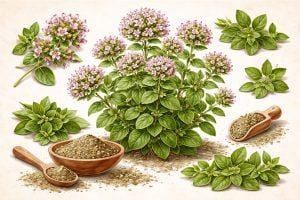
Often hiding in the shadow of its more pungent cousin, oregano, sweet marjoram is the gentle poet of the herb garden. Its aroma is softer, sweeter, and more floral, with hints of citrus and pine. Where oregano commands, marjoram suggests—making it incredibly versatile for those who seek subtlety.
In ancient times, marjoram was a symbol of happiness. Cooking with it might explain why. It’s a classic in French Herbes de Provence blends and is beloved in Greek cuisine. Try it in recipes where you want herbaceousness without aggression: stirred into a creamy mushroom sauce, sprinkled over a summer vegetable ratatouille, mixed into meatballs or homemade pork sausages, or infused in vinegar for a delicate salad dressing. It has a particular affinity with eggs, zucchini, and mushrooms.
Think of it this way: If oregano is for your hearty Wednesday night pasta sauce, marjoram is for your sunny Sunday morning frittata.



Leave a Reply
You must be logged in to post a comment.