

The Queen of Adaptogens
Ashwagandha, often referred to as “Indian Ginseng” or “Winter Cherry,” is one of the most revered plants in the ancient Ayurvedic medical system. For over 3,000 years, it has been used as a “Rasayana” a tonic that promotes physical and mental health, rejuvenates the body, and increases longevity. Its name, derived from Sanskrit, translates to “smell of the horse,” alluding both to the unique odor of its fresh root and its traditional reputation for imparting the vigor and strength of a stallion.
Plant Description and Origin
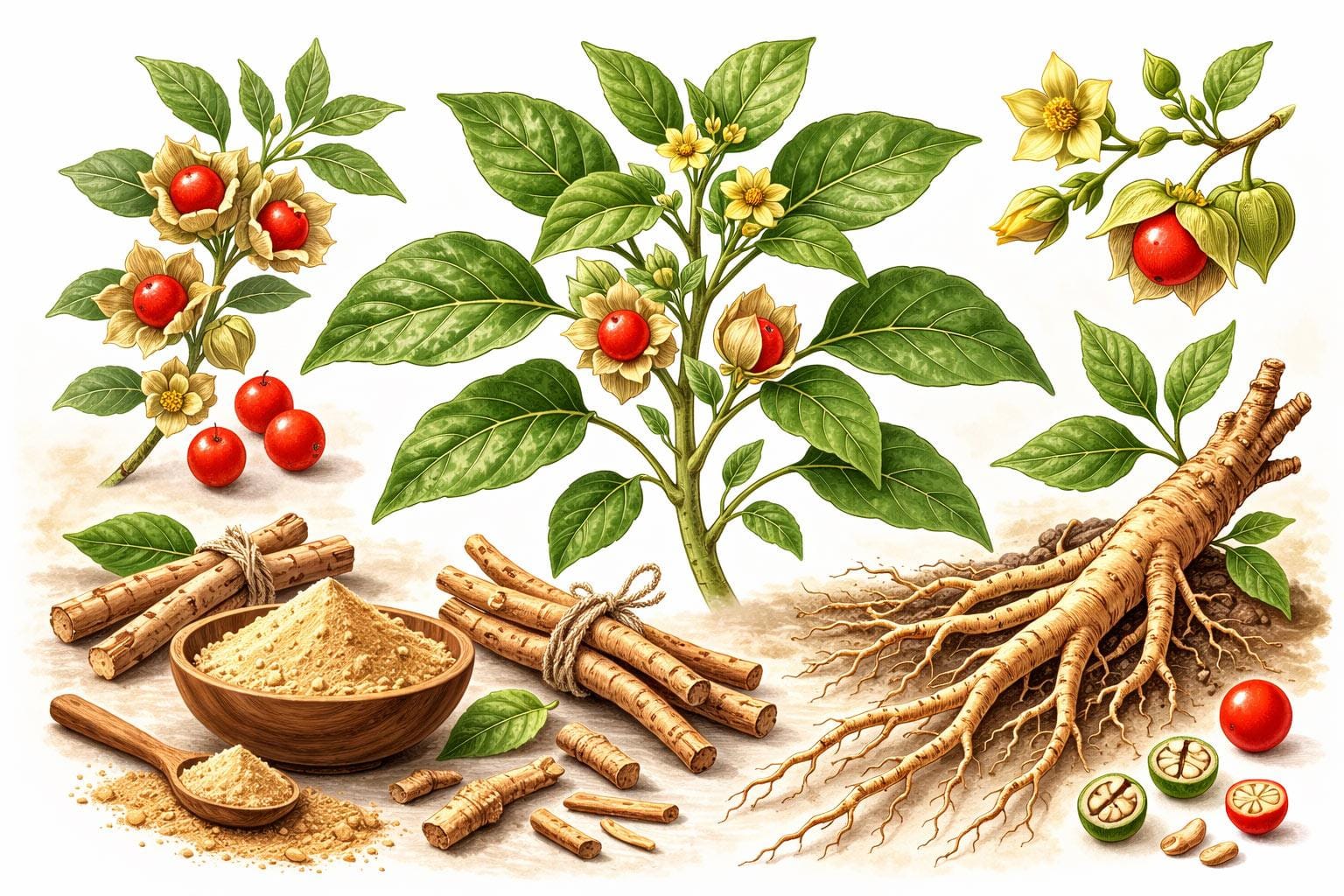
Ashwagandha is a small, woody evergreen shrub belonging to the nightshade (Solanaceae) family, which also includes tomatoes and physalis. It typically grows to a height of 0.5 to 1.5 meters and is characterized by its greyish-green, oval leaves and small, inconspicuous greenish-yellow flowers.
The plant is native to the dry regions of India, the Middle East, and parts of Africa.
The most medicinally significant part of the plant is its root, a fairly long, tuberous structure. The plant also produces smooth, orange-red berries, similar in appearance to the closely related physalis, which are enclosed in a membranous calyx. The root is typically harvested in its first year when the plant enters winter dormancy and its nutritional reserves are at their peak.
Active Chemical Constituents
The therapeutic power of Ashwagandha lies in its complex chemistry. The primary bioactive compounds are a group of steroidal lactones known as withanolides. Over 40 different withanolides, including the most studied withaferin A and withanolide D, have been isolated from the plant. These compounds are structurally similar to the ginsenosides found in Panax ginseng, which explains its common nickname and its broad range of effects. In addition to withanolides, the root contains alkaloids (such as withanine and somniferine) and sitoindosides, which also contribute to its biological activity.
Traditional and Modern Medicinal Uses
Ashwagandha is classified as an adaptogen, meaning it is believed to help the body resist physiological and psychological stress, thereby restoring normal function and balance.
- Stress, Anxiety, and Sleep: This is the most well-researched area for Ashwagandha. Clinical studies and meta-analyses suggest that standardized root extracts can significantly reduce stress and anxiety levels. It is thought to work by moderating the body’s stress response, particularly by lowering blood levels of cortisol, the primary stress hormone. This stress-reducing effect also contributes to modest improvements in sleep quality, helping people fall asleep faster and enjoy more restorative rest, especially when taken over longer periods (more than 8 weeks). Some clinical practice guidelines even cautiously recommend Ashwagandha as an adjunctive treatment for generalized anxiety disorder.
- Physical Performance and Strength: True to its name, Ashwagandha has been shown to enhance physical performance. Studies on healthy adults and athletes have reported significant improvements in muscle strength, endurance, and recovery. This includes gains in bench-press power, squat capacity, and overall muscle mass, making it popular in the fitness community.
- Cognitive Function and Neuroprotection: Preclinical research suggests that Ashwagandha may support brain health. Its active compounds have demonstrated antioxidant effects in the brain and the ability to regenerate neurites (projections from nerve cells), indicating potential applications in neurodegenerative conditions like Alzheimer’s and Parkinson’s disease, though more human research is needed.
- Anti-inflammatory Effects: Both in vitro and animal studies have shown that Ashwagandha possesses anti-inflammatory properties. It appears to protect cartilage cells and suppress markers of inflammation, which may offer benefits for conditions like osteoarthritis and rheumatoid arthritis.
Forms and Typical Dosage
Ashwagandha is widely available in health food stores and pharmacies in several forms:
- Powder: The traditional form, made from dried root. It can be mixed into warm milk, water, or smoothies. A common dosage ranges from 1 to 6 grams of the powder per day, often taken in divided doses.
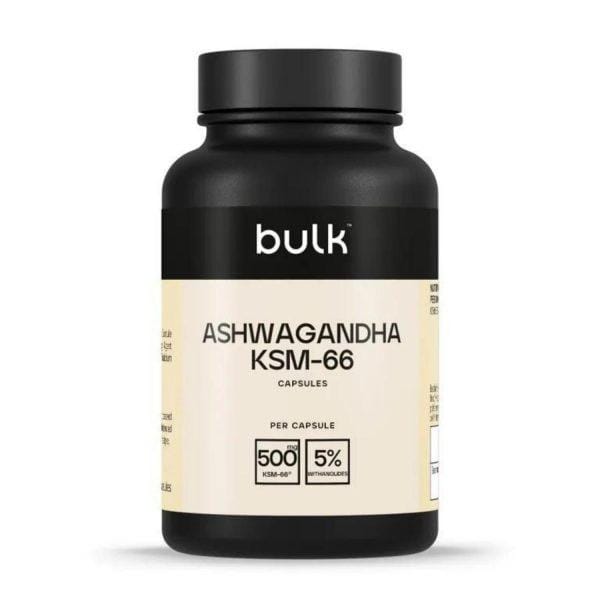
- Capsules/Tablets: These contain either powdered root or a standardized extract. The dosage varies depending on the concentration, but typical extracts (standardized to a percentage of withanolides) are taken at 300 to 600 mg twice daily.
Safety, Side Effects, and Precautions
Ashwagandha is generally considered safe for most adults when used for up to three months. However, it is crucial to be aware of potential side effects and contraindications -3-5.
- Common Side Effects: These are usually mild and may include gastrointestinal upset (diarrhea, nausea), headache, or drowsiness.
- Pregnancy and Breastfeeding: Ashwagandha should be avoided during pregnancy as it has been reported to have abortifacient (miscarriage-causing) properties. Its safety during breastfeeding is also not established.
- Liver Health: There have been rare, isolated case reports of liver injury associated with Ashwagandha use. Individuals with pre-existing liver conditions should exercise caution and consult a doctor before use.
- Drug Interactions: Ashwagandha can interact with several types of medication. It may lower blood sugar and blood pressure, so it should be used with caution by those on diabetes or hypertension medications to prevent levels from dropping too low -3. It can also enhance the sedative effect of medications for anxiety, insomnia, or seizures -3. Furthermore, because it can stimulate the immune system, it may interfere with immunosuppressant drugs used after organ transplants or for autoimmune diseases -3. It may also increase thyroid hormone levels, so those taking thyroid hormones should be monitored by a doctor.



Leave a Reply
You must be logged in to post a comment.