


Introduction: Nature in a Drop
Essential oils are concentrated, volatile plant extracts that carry the characteristic scent and therapeutic properties of their “host.” Though often called “oils,” they are chemically complex mixtures of terpenes, esters, aldehydes, ketones, and phenols. Their use dates back thousands of years, from Egyptian embalming rituals to traditional Chinese and Ayurvedic medicine. Today, they are popular in aromatherapy, natural cosmetics, and home care. However, their concentrated nature demands respect and knowledge for safe application.
Methods of Application and Best Practices
Essential oils are rarely used undiluted on the skin or ingested without strict professional guidance. The rule of thumb is: dilute, dilute, dilute.
Topical Application (on the skin)
This is one of the most common methods, but requires a carrier oil.
Carrier Oils: Use cold-pressed vegetable oils like sweet almond, jojoba, coconut, or apricot kernel oil.
Standard Dilution:
- Adults: 1-3% dilution. This means 1-3 drops of essential oil per teaspoon (5 ml) of carrier oil.
- Children (over 2 years), elderly, sensitive skin: 0.5-1% dilution (0.5-1 drop per teaspoon).
- Facial/Sensitive Areas: 0.5-1% maximum.
Patch Test: Always perform a patch test 24 hours before wider use. Apply a small amount of the diluted mixture to the inner forearm and cover with a bandage.
Areas to Avoid: Eyes, inner ears, nostrils, and broken or irritated skin.
Photosensitivity Warning: Oils from the citrus family (bergamot, lemon, lime, grapefruit, bitter orange) can cause severe skin burns and hyperpigmentation when exposed to UV rays (sun or tanning beds). Avoid sun exposure for at least 12 hours after application.
Inhalation (Aromatherapy)
A safe and effective way to affect mood and the respiratory system.
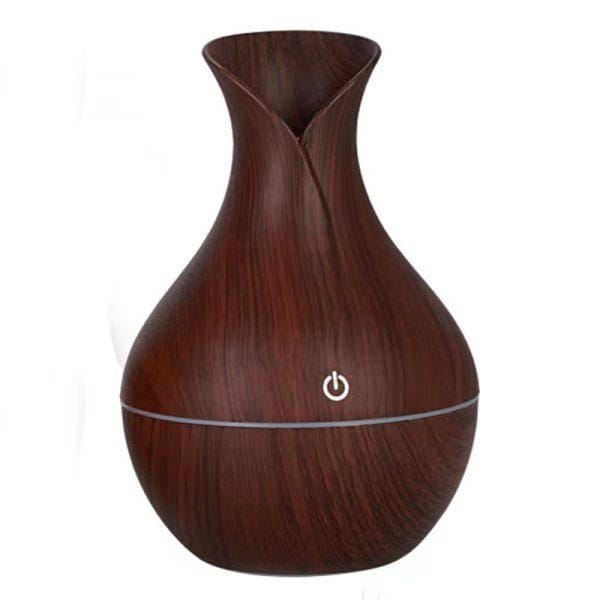
- Diffuser/Ultrasonic Nebulizer: Follow the device’s instructions. Generally, 3-10 drops in water, for sessions of 30-60 minutes in a well-ventilated room. Not recommended for households with pets (especially cats and birds) without prior research on toxicity.
- Steam Inhalation: Add 1-2 drops to a bowl of hot water, cover your head with a towel, and breathe in the steam for 5-10 minutes with eyes closed. Excellent for respiratory congestion.
- Direct Inhalation: Place 1-2 drops on a tissue, cotton ball, or palm, rub hands together, and inhale.
Internal Use
⚠️HIGH RISK – STRICT CAUTION ⚠️
Internal use is highly controversial and potentially dangerous. It should only be considered under the direct supervision of a qualified healthcare professional (e.g., a clinical aromatherapist, naturopathic doctor, or pharmacist with specific training).
General Rule: DO NOT ingest essential oils unless explicitly advised and guided by a qualified professional.
Why? They can irritate and damage mucous membranes, the esophagus, and the liver. They interact with medications and can be toxic in very small doses.
Exception: Some culinary use of certain oils (e.g., a drop of lemon or peppermint oil in cooking) is accepted, but the oil must be 100% pure, food-grade, and used extremely sparingly.
Potential Risks, Side Effects, and Contraindications:
Essential oils are potent substances, not harmless perfumes.
A) General Side Effects:
Skin: Irritation, redness, burning, contact dermatitis, photosensitivity.
Respiratory: Bronchospasm, throat irritation, especially in asthmatics.
Systemic: Nausea, headache, dizziness, fatigue.
B) Specific Groups at High Risk:
Pregnant and Breastfeeding Women:
Many oils are contraindicated as they can cross the placental barrier or pass into breast milk.Generally Avoid: Rue, pennyroyal, sage, juniper, fennel, aniseed, basil, cinnamon, clary sage, cypress, rosemary, thyme, oregano, and others. Consult a professional before any use.
Infants and Young Children:
Their skin is more permeable, and their liver and nervous systems are immature.
Avoid: Eucalyptus, rosemary, peppermint, wintergreen, and camphor-rich oils (like some lavender varieties) on or near children under 2-6 years old due to risk of respiratory distress or neurological issues (seizures).
Always use heavily diluted and choose gentle oils like Roman chamomile or mandarin.
People with Chronic Conditions:
- Epilepsy/Seizure Disorders: Avoid stimulating oils like fennel, hyssop, rosemary, sage, and wormwood, which may trigger seizures.
- High/Low Blood Pressure: Avoid stimulating oils (rosemary) for hypertension and heavily sedative oils for hypotension.
- Hormone-Sensitive Cancers (e.g., breast, ovarian): Avoid oils with phytoestrogenic activity like clary sage, fennel, and aniseed.
Pets (especially cats and birds):
Cats lack a specific liver enzyme to metabolize many compounds (phenols, terpenes). Tea tree, citrus, pine, wintergreen, eucalyptus, and peppermint oils can be HIGHLY TOXIC, even fatal, to cats. Birds have extremely sensitive respiratory systems. Avoid diffusing oils around them.
C) Dangerous Practices to Avoid:
- Never apply undiluted oils directly to the skin (except for very few exceptions like true lavender on a small burn).
- Never ingest oils from a bottle or in water (they do not dissolve and can cause mucosal burns).
- Do not use oils of unknown quality, purity, or origin.
- Do not exceed recommended doses, thinking “more is better” – it can be toxic.
- Do not use old, oxidized oils (stored in sunlight, not tightly closed).
Essential oils are magnificent gifts from the plant kingdom. They can support well-being, improve mood, alleviate certain discomforts, and beautify our environment. However, their power is a double-edged sword. “Natural” does not automatically mean “safe.” The key to safe enjoyment lies in:
Knowledge of their properties and risks.
Quality – purchasing 100% pure, authentic oils from reputable sources.
Dilution – respecting recommended concentrations.
Consultation – seeking advice from professionals for specific health conditions.
Let the fragrance of lavender calm you, let the citrus scent energize you, but always with respect for the concentrated wisdom contained within each drop.
Disclaimer: This article is for informational purposes only and does not constitute medical advice. Always consult a qualified healthcare professional or clinical aromatherapist before using essential oils, especially if you are pregnant, breastfeeding, have a health condition, or are taking medication.



Leave a Reply
You must be logged in to post a comment.