


Navigating the fresh vs. dried herb dilemma is key to authentic Mediterranean cooking. The rule isn’t one-size-fits-all; it depends on the herb’s structure and the dish’s cooking time.
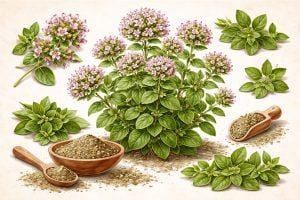
The Dried Herb Champions: Woody herbs with stiff stems—rosemary, thyme, oregano, sage, and bay leaf—dry exceptionally well. The drying process concentrates their essential oils, making their flavors more potent and piney/earthy. They are made for long, slow cooking where they have time to rehydrate and meld into the dish. Think tomato sauces, braised meats, stews, soups, and bread doughs (like focaccia). Conversion: Start with a 1:3 ratio (1 teaspoon dried to 1 tablespoon fresh), but always taste and adjust.
The Fresh-Only Purists: Delicate, leafy herbs like basil, parsley, cilantro, dill, mint, and tarragon lose their magic, color, and vibrant top notes when dried. What’s left is often a dusty, muted shadow of its former self. They must be used fresh, added at the very end of cooking or as a raw garnish.
The Exception: Mint and dill can be used dried in specific contexts, like in some Middle Eastern spice blends or rice dishes (like Persian dill rice), but fresh is almost always superior.


Leave a Reply
You must be logged in to post a comment.